Frequently Asked Questions
How can charitable organizations support international missions?
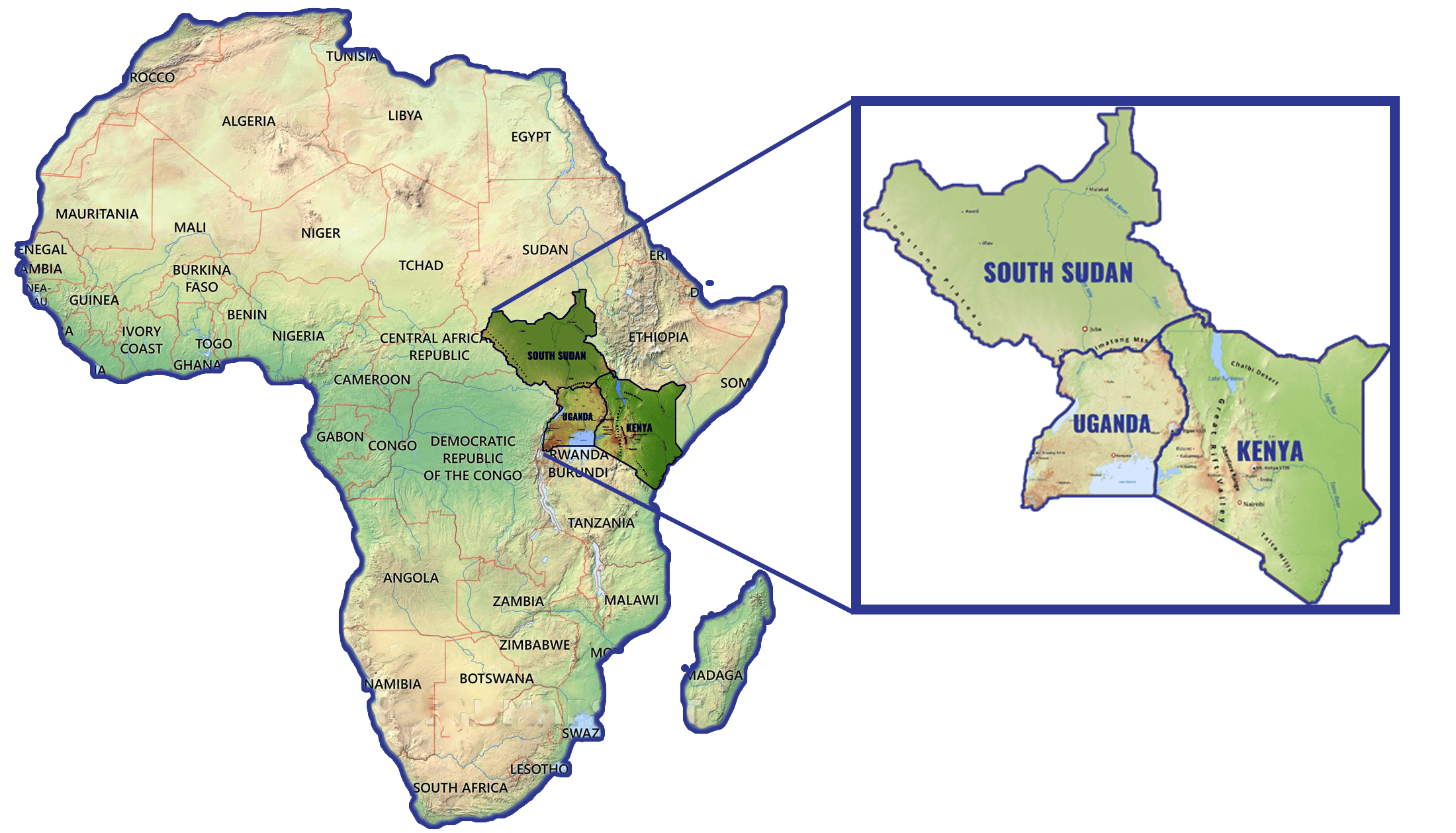
Charitable organizations can support international missions by providing essential resources like training sessions for spiritual leaders, distributing Bibles, and offering transportation assistance. These resources help reach remote areas, spread God’s Word effectively, and improve the lives of those in need across East Africa.

What are effective strategies for faith-based outreach?
To effectively engage in faith-based outreach, consider hosting community events, conducting outreach programs for children and youth, providing aid and relief services, developing strong spiritual leaders through training sessions, and distributing Bibles to share God’s Word widely. Utilizing social media platforms, partnering with local organizations, and offering support to remote areas through transportation resources like motorcycles and bicycles can also enhance the impact of your faith-based outreach efforts.
In what ways do volunteer programs contribute to global humanitarian efforts?
Volunteer programs contribute to global humanitarian efforts by providing essential resources, including training sessions for spiritual leaders, distributing Bibles, and facilitating transportation for ministerial outreach in remote areas. Through these initiatives, organizations like CMA Canada can make a significant impact on communities in need.
How do non-profits manage overseas aid projects?
Non-profits manage overseas aid projects by providing essential resources like training sessions for spiritual leaders, distributing Bibles, and offering transportation support. These initiatives aim to reach remote areas, helping communities in East Africa through education, healthcare, and community programs.
What role do spiritual values play in providing international assistance?
Spiritual values play a vital role in international assistance by guiding organizations in uplifting communities both spiritually and practically through compassion, empathy, and selfless service. They underpin the moral foundation of aid efforts, promoting unity and resilience in tackling global challenges.
How can donors evaluate the impact of their contributions to mission work?
Donors can evaluate impact by monitoring training sessions for spiritual leaders, distribution of Bibles, and transportation provision to reach remote areas. Transparency in fund allocation and regular updates on project outcomes also aid impact assessment. Regular communication with the organization ensures alignment with donor expectations.
What are the current challenges faced by religious missions in achieving their goals abroad?
Religious missions face challenges due to limited resources like funding for training, Bibles, and transportation in remote areas. Providing essential support through donations is crucial for developing leaders and spreading God's Word effectively in East Africa.
What inspires individuals to join mission work?
Individuals are inspired to join mission work by the desire to make a positive impact, share their faith, serve those in need, and experience personal growth through serving others. The calling to help others, spread God's Word, and bring hope to communities motivates many to participate in mission work.
How does one start a charitable mission?
Starting a charitable mission involves identifying a cause, developing a mission statement, creating a plan, obtaining necessary permits, establishing a budget, and seeking funding through donations and grants. Building partnerships, recruiting volunteers, and promoting your mission are also crucial steps to launch a successful charitable endeavor.
What training do mission volunteers need?
Mission volunteers need training in spiritual leadership, Bible study, and transportation skills to effectively spread God's Word in East Africa. This includes sessions for leadership development, Bible distribution education, and transportation assistance like motorcycles and bicycles for reaching remote areas.
How do missions maintain financial accountability?
Missions maintain financial accountability through transparent reporting, independent audits, and strict budgeting. Donors can track funds allocated to specific projects, ensuring funds are used effectively. Additionally, missions often have oversight committees and financial policies in place to uphold accountability standards.
What makes a mission project sustainable?
A sustainable mission project is one that provides training for spiritual leaders, distributes Bibles, and offers transportation options to reach remote areas in East Africa. These resources empower communities and ensure long-lasting impact for the mission's success.
How is mission success typically measured?
Mission success is typically measured by key performance indicators (KPIs) such as the number of people reached, resources distributed, and impact assessment data on beneficiaries. Additionally, tangible outcomes like increased community engagement, education levels, and healthcare access are crucial metrics in evaluating mission effectiveness.
What challenges do missionaries face overseas?
Missionaries overseas face challenges such as cultural barriers, language differences, limited resources, and access to remote regions. They may also encounter persecution, political instability, and lack of support. Adaptability, resilience, and strong faith are crucial for their mission work.
How do spiritual beliefs influence charity?
Spiritual beliefs often drive individuals to practice charity as an expression of their faith, emphasizing compassion and generosity towards others. These beliefs inspire individuals to help those in need, support local communities, and contribute to global humanitarian causes, reflecting their spiritual values in their charitable actions.
Can mission work promote interfaith dialogue?
Mission work can foster interfaith dialogue by promoting understanding, empathy, and cooperation among different religious groups. Through shared humanitarian efforts, missions can break down barriers, build relationships, and encourage mutual respect, potentially leading to constructive conversations about faith and belief systems.
What security measures protect mission teams?
Mission teams are safeguarded by implementing security protocols such as risk assessments, local intelligence gathering, communication plans, access control, emergency response training, and collaboration with local authorities. Proper equipment, travel restrictions, and situational awareness also enhance team safety.
How do missions impact local communities?
Missions impact local communities by providing essential resources like training for spiritual leaders, Bibles for spreading God’s Word, and transportation for reaching remote areas. These efforts improve lives through education, healthcare, and community support, especially benefiting children and youth.
Are short-term missions effective for aid?
Short-term missions can provide immediate relief and raise awareness, but sustainability and long-term impact may be limited. To maximize effectiveness, partnerships with local organizations and ongoing support are crucial for lasting change in communities.
How do missions choose their locations?
Missions choose their locations based on needs, such as offering essential resources like training for spiritual leaders, distributing Bibles, and providing transportation to reach remote areas efficiently. These decisions are guided by the mission's goals and the communities' requirements.
What cultural considerations do missions have?
Missions must respect and understand cultural nuances, customs, and beliefs in target regions to effectively carry out initiatives and build trust among the local communities. Cultural sensitivity helps to ensure successful integration and acceptance of aid programs.
How do missions collaborate with locals?
Missions collaborate with locals by providing essential resources like training sessions, Bibles, and transportation to develop strong spiritual leaders, spread God's Word, and reach remote areas effectively. This collaboration fosters sustainable community support and empowers locals to lead and participate in mission activities.
Do missions help with local employment?
Missions can aid local employment by creating job opportunities through various projects like community development, aid, and relief programs. Offering training and resources can empower individuals to contribute to their communities, stimulating economic growth and sustainability.
How are mission projects funded?
Mission projects are funded through donations to provide important resources such as training for spiritual leaders, Bibles for spreading God's Word in East Africa, and transportation like motorcycles and bicycles for reaching remote areas.
What oversight exists for mission work?
Christian Mission Aid (CMA) oversees mission work through various programs like Children & Youth, community development, and aid & relief efforts in East Africa. This includes training sessions for spiritual leaders, distributing Bibles, and providing transportation for ministers to reach remote areas.
How do missions address education needs?
Missions address education needs through training sessions for spiritual leaders, providing Bibles for spreading God's Word, and facilitating transportation like motorcycles for reaching remote areas in East Africa. They focus on education, healthcare, and community support to improve children's lives.
What role does technology play in missions?
Technology plays a crucial role in missions by facilitating communication, spreading God’s Word through digital platforms, enabling remote training, and efficiently managing resources. It helps connect with diverse audiences, streamline operations, and reach remote areas with the message of love and hope.
How do missions respond to crises?
Missions respond to crises by providing essential resources like training sessions for spiritual leaders, distributing Bibles, and offering transportation support to reach remote areas. These efforts aid in spreading God's Word and supporting communities in need during trying times.
Can missions contribute to peace-building?
Missions can contribute to peace-building by providing essential resources like training sessions for spiritual leaders, distributing Bibles to spread God’s Word, and facilitating transportation to reach remote areas. These efforts foster unity, understanding, and support in communities, promoting peace and stability.
How do heritage and missions intersect?
Heritage and missions intersect when preserving cultural values while spreading the Gospel. Mission work can honor and respect indigenous traditions, incorporating them into spiritual teachings. This approach fosters understanding and acceptance within communities while maintaining their heritage.