Frequently Asked Questions
What are the core mission goals of aid organizations based in Canada focusing on Christian values?
Christian aid organizations based in Canada, with a focus on Christian values, prioritize community development, education, resources, and self-sustainability to empower communities. Through training and support, they aim to foster ownership and lasting impact in their areas of operation.
How do international relief programs contribute to global development efforts?
International relief programs contribute to global development efforts by providing training, education, and resources to communities for self-sustaining growth. They focus on empowering individuals and communities, fostering ownership, and promoting sustainable development practices for long-term impact on a global scale.
What are the ways to get involved with charities that provide disaster relief assistance?
To get involved with charities providing disaster relief assistance, you can contribute through donations, volunteer your time and skills, participate in fundraising events, spread awareness on social media, and support their initiatives through partnerships or advocacy efforts.
How does one volunteer or donate to faith-based humanitarian projects?
You can volunteer or donate to our faith-based humanitarian projects by visiting our website and selecting the ministry you want to support. Fill out the volunteer form or donate securely online. Your contribution helps us make a difference in communities worldwide.
What types of community support services do not-for-profit groups offer?
Not-for-profit groups offer community development, aid, and relief services, providing training, education, and resources to ensure self-sustaining development. They focus on Christian outreach, children and youth support, and various ways for individuals to help through donations or volunteering.
How can local communities benefit from the work of international aid groups?
Local communities can benefit from international aid groups through training, resources, and education for self-sustaining development. Aid organizations like Christian Mission Aid work to ensure community ownership and empowerment for long-lasting positive change.
What is the impact of non-governmental organizations on improving living conditions abroad?
Non-governmental organizations play a crucial role in improving living conditions abroad by providing training, education, and resources for sustainable development. They empower communities to take ownership of their growth, fostering self-sufficiency and positive change in various regions across the globe. Through these efforts, NGOs contribute significantly to enhancing the overall quality of life for individuals and communities in need.
How do charity transparency and accountability affect donor trust and support levels?
Charity transparency and accountability are crucial for building donor trust and support levels. When donors see clear information on how funds are used and the impact of their donations, they are more likely to trust the organization and continue supporting its cause. Maintaining transparency also helps in demonstrating responsible stewardship, fostering long-term relationships with donors.
What are the recent projects undertaken by charitable groups aimed at providing international aid?
Charitable groups have initiated recent projects focusing on international aid, including community development, children and youth programs, and aid and relief efforts. These projects aim to provide training, education, resources, and support to communities for sustainable self-development, addressing various needs globally.
How do aid organizations measure success?
Aid organizations measure success by evaluating the impact of their programs through metrics like improved community well-being, sustainable development, increased access to resources, and positive long-term outcomes. Monitoring and assessing these factors help ensure effective aid delivery and meaningful results.
What drives faith-based humanitarian efforts?
Faith-based humanitarian efforts are primarily driven by a desire to serve communities in need, provide aid and relief, and promote sustainable development through training and education. These efforts aim to empower individuals and communities, fostering self-sufficiency and a sense of ownership in the development process.
Can small donations make a significant impact?
Small donations can have a significant impact on community development. By pooling resources and utilizing them effectively, organizations like ours can empower and uplift communities through training, education, and sustainable initiatives. Every contribution, no matter how small, plays a crucial role in bringing about positive change.
What safeguards ensure aid reaches those in need?
To ensure aid reaches those in need, Christian Mission Aid implements accountability measures, conducts thorough needs assessments, collaborates with local partners, and provides training on sustainable development practices. Transparency and regular monitoring further secure the effective distribution of aid to vulnerable communities.
How to assess a charitys effectiveness?
One way to assess a charity's effectiveness is to review their financial transparency, impact reports, and program efficiency. Evaluate their mission alignment, accountability, and sustainability practices. Engage with beneficiaries and stakeholders for feedback. Look for awards, partnerships, and certifications as indicators of credibility.
Are there volunteer opportunities abroad?
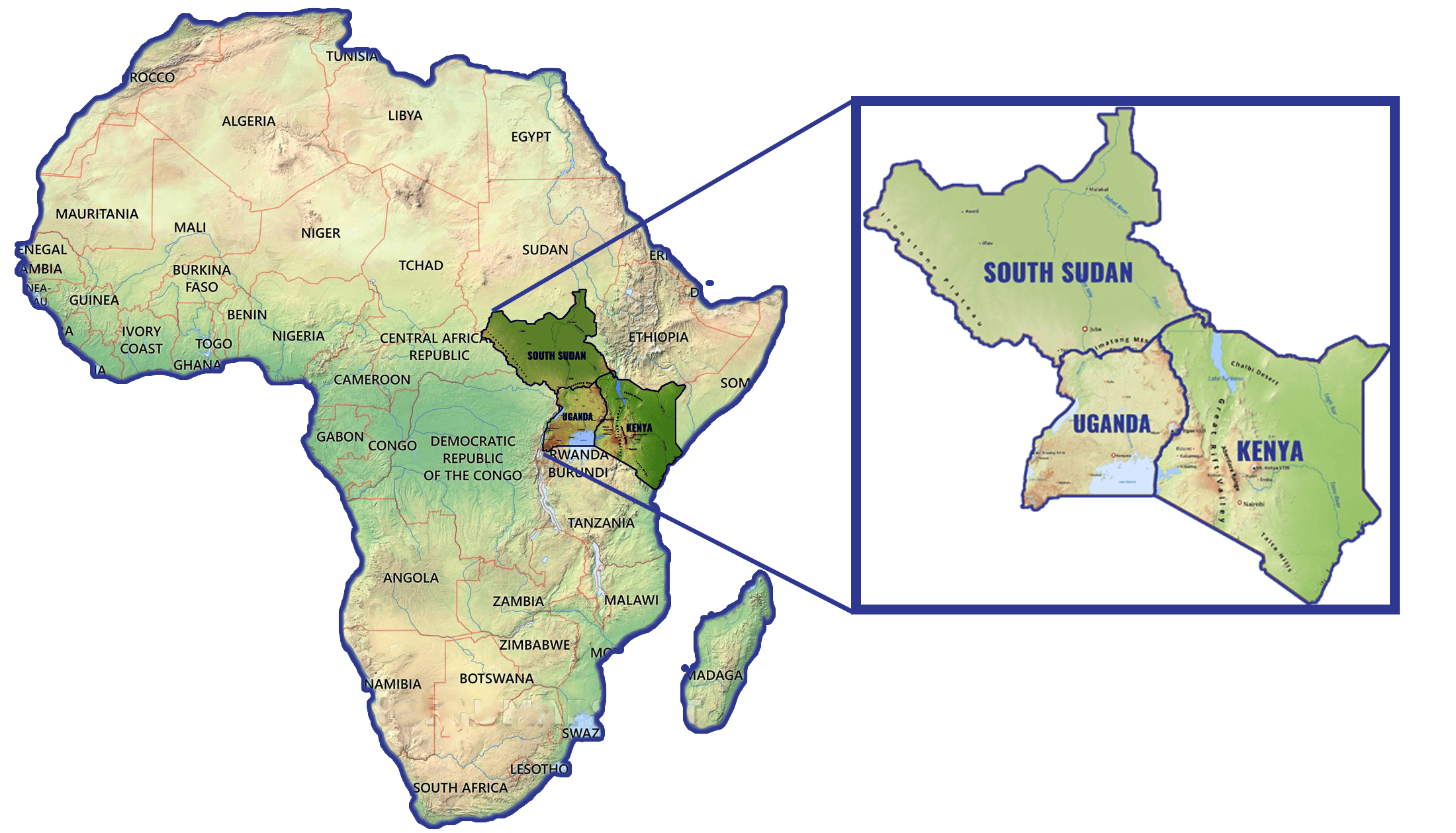
Yes, Christian Mission Aid offers volunteer opportunities abroad, particularly in Kenya, Canada, the USA, and South Sudan. Volunteers can engage in various ministries such as Christian outreach, aid & relief, community development, and working with children & youth. To learn more, visit the Ways to Help section on their website.
How do non-profits align with local cultures?
Non-profits align with local cultures by providing training, resources, and education tailored to empower communities for self-sustaining development. This approach ensures ownership and meaningful impact within the cultural context, fostering sustainable growth and positive change in communities.
What challenges do aid workers commonly face?
Aid workers commonly face challenges such as lack of resources, safety risks in conflict zones, cultural barriers, and logistical issues hindering effective aid distribution. Building trust with communities, addressing local needs, and maintaining sustainability are vital aspects aid workers navigate in their efforts.
How is emergency response coordinated internationally?
Emergency response is coordinated internationally through organizations like the United Nations, WHO, and Red Cross. These entities collaborate, share resources, and deploy aid during crises to provide timely and effective relief to affected regions. Coordination ensures efficient deployment of assistance and maximizes impact in emergency situations.
What roles do faith-based charities play in crises?
Faith-based charities play crucial roles in crises by providing aid, relief, and support to affected communities. They offer a sense of hope, spiritual guidance, and practical help, contributing to overall community well-being during challenging times. Additionally, they often have established networks and resources that enable them to respond effectively in emergencies.
How can individuals encourage sustainable charity practices?
Individuals can promote sustainable charity practices by supporting community development, donating to aid & relief efforts, volunteering time & skills, and staying informed about organizations like Christian Mission Aid that prioritize self-sustaining development for communities in need. Supporting long-term initiatives and engaging with transparent charities are key.